
Analysis
Where AI Compute Is Going: SpaceX, xAI and the Race for Capacity
By Niall · 7 min read
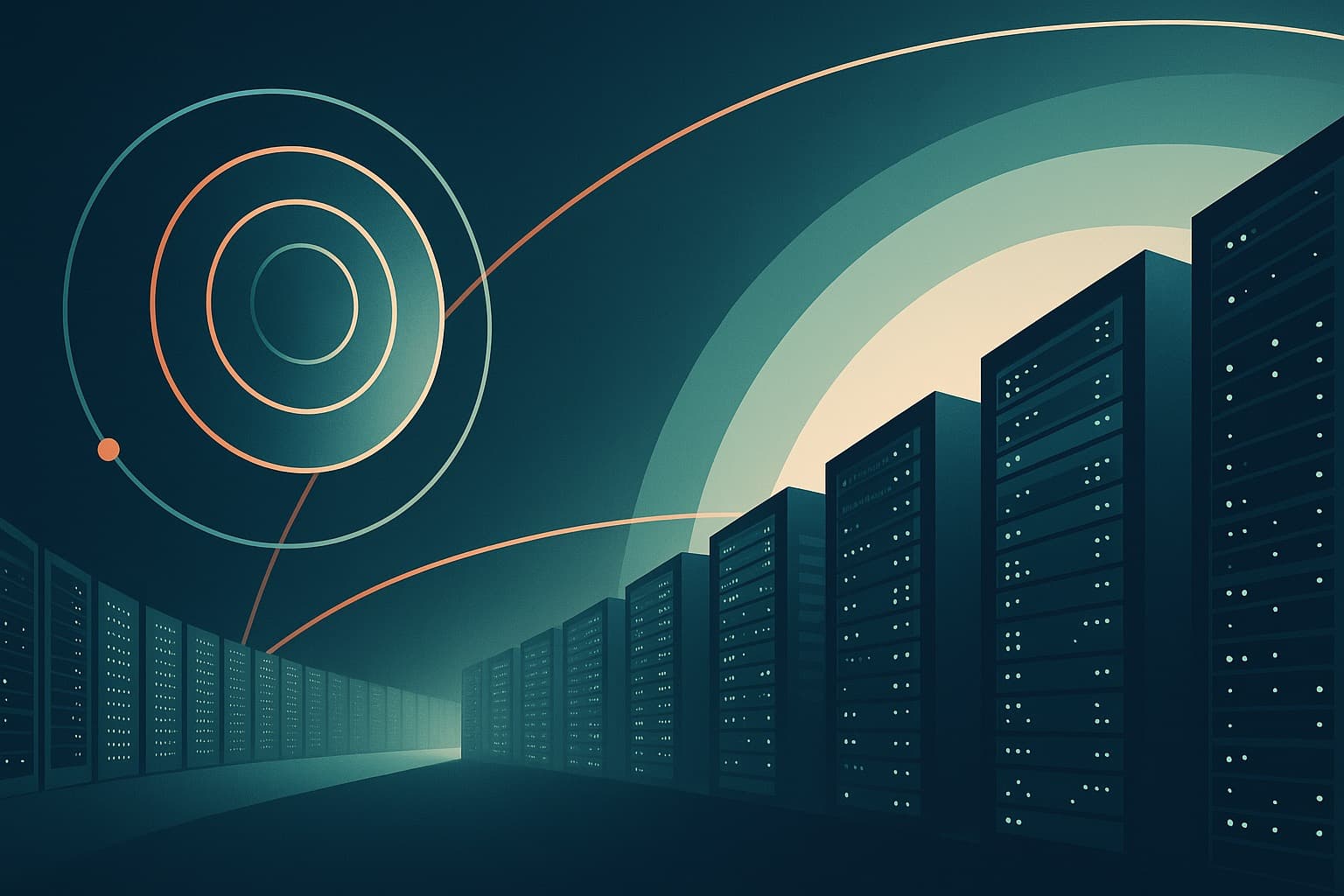
Behind the orbital data-centre headlines is one signal that matters for every business: compute is the constraint everything now runs into.
Every so often a piece of corporate news doubles as a signal about where a whole industry is heading. The recent moves around SpaceX are one of those moments, and they are worth reading not for the spectacle but for what they say to ordinary businesses about the constraint that increasingly shapes AI: raw compute, and what it costs to run.
We will keep this analytical and free of politics, because the interesting questions here are about infrastructure, economics and timing. The useful part is what any of it means for the practical technology decisions a business actually makes this year.
What actually happened
Three facts are worth putting side by side, because together they tell a clearer story than any one of them does alone.
- SpaceX went public on 12 June 2026, listing on the Nasdaq under the ticker SPCX.
- xAI, the company behind the Grok models, merged into SpaceX in February 2026.
- Much of the company's valuation now rests on its AI and orbital-compute potential.
In other words, a launch and satellite-internet company has folded an AI lab into itself and is now valued, in large part, on a bet about the future of computing rather than only on rockets and connectivity. That framing alone shows how central compute has become to the story investors are willing to fund.
Computing in orbit
SpaceX has revealed its first AI1 orbital data-centre satellite. The design includes large radiator wings to shed the heat that AI workloads generate, because cooling is one of the hardest problems of running serious compute in space. The stated ambition is roughly one gigawatt of orbital compute by the end of 2027, which would be a remarkable step up from anything flying today.
It is worth holding that timeline lightly, however. Analysts are sceptical that commercial orbital data centres arrive on that schedule, and 2028 or later looks more realistic to many observers. The ambition appears genuine. The dates attached to it are far less certain, and worth treating as direction rather than a promise.
The rocket is the enabler
None of this works without heavy-lift launch capacity. The Starship rocket is essential to putting large satellites like these into orbit at all, which is part of why the AI ambition and the launch business are now so tightly bound together. Meanwhile Starlink, the satellite-internet service, still provides the majority of revenue, around 60 percent. The orbital-compute story is a bet on the future, layered carefully on top of a business that already earns money today.
The dependency runs both ways, which is the interesting part. The compute ambition gives the launch business a vast new reason to exist, and the launch business is what makes the compute ambition even thinkable. Whether the orbital plan arrives on schedule or not, the connection between cheap launch and AI infrastructure is now hard to ignore.
Why this matters even if you never touch a satellite
Most businesses will never run a workload in orbit, and that is entirely fine. The signal still matters, because it confirms a trend you can already feel in your monthly cloud bill: AI capability is increasingly gated by the availability and the cost of compute. When the industry's biggest players are funding gigawatt-scale infrastructure, they are telling you plainly where they believe the bottleneck is.
You can see the same pressure in smaller, closer ways. Capable models are metered by the token, the best hardware is in genuinely short supply, and the price of a feature can swing with the cost of the compute behind it. None of that requires a satellite to feel: it shows up in budgets and roadmaps right now.
Practical lessons for businesses
You do not need to match anyone's infrastructure bets to learn from them. The sensible response is to design for the world these bets imply, where compute is valuable and its price is uncertain.
- Treat compute and cost as first-class design constraints, not afterthoughts.
- Design so you can move between providers, rather than over-indexing on one.
- Favour approaches that get more value from less compute, because efficiency is leverage.
- Separate the durable trend, rising demand for compute, from timelines you cannot control.
The thread running through all of these is optionality. You cannot reliably predict which provider, model or architecture will win, so the goal is to stay in a position to switch cheaply when the answer becomes clear. That flexibility is worth more than any single bet you could place today.
Build for where the puck is going, not the hype
The right response to enormous infrastructure bets is not to make your own version of them. It is to design sensibly for a world where compute is valuable and its price is genuinely uncertain: stay portable, stay efficient, and keep your attention on the practical value you can capture right now. Hype cycles come and go on a predictable schedule, but a system that is cost-aware and provider-flexible tends to age well whichever bet eventually pays off.
Cutting through industry noise to make grounded, future-proof technology decisions is exactly what our AI consulting and fractional CTO work is for, helping you act on the durable trends and quietly ignore the rest.
Relevant services