Engineering
Shipping an MVP in Weeks With AI-Native Engineering
By Niall · 7 min read

Shipping an MVP in weeks is not about cutting quality, it is about ruthlessly cutting scope to the one loop that matters.
An MVP, a minimum viable product, is meant to be the fastest honest test of an idea: the smallest thing you can put in front of real users to learn whether you are building something they want. AI-native engineering has made that test dramatically faster to run, turning what was once a multi-month build into a matter of weeks, as long as you stay disciplined about scope.
Speed is not the hard part anymore. Restraint is. The teams that ship a real MVP in weeks are not the ones who cut quality; they are the ones who cut scope, ruthlessly, down to the single thing that proves or disproves the idea.
Scope to one core loop
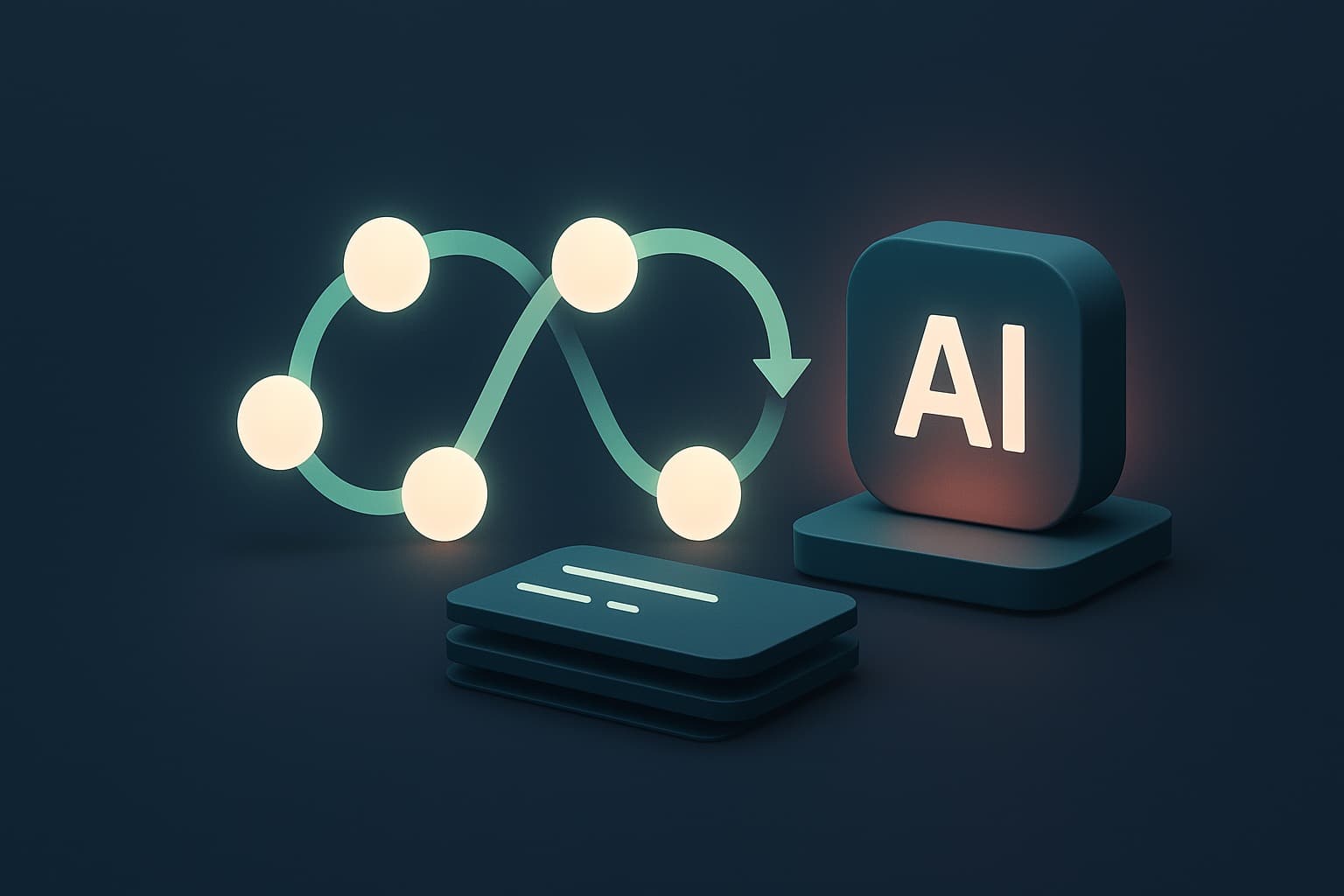
Every product has a core loop: the central thing a user does that creates the value. For a marketplace it is find, buy, receive. For a tool it is the one task that makes someone's day better. The first job of an MVP is to identify that loop and build only it. Everything else, however reasonable it sounds in a planning meeting, is a distraction from the question you are actually trying to answer.
If you cannot describe your MVP as one sentence about one loop, the scope is still too big. Cutting it down is uncomfortable, and it is the most valuable work you will do on the whole project.
A helpful discipline is to write down everything you are tempted to include, then move almost all of it to a 'later' list without deleting it. Nothing is lost; it is simply parked until the core idea has earned the right to grow. That list also becomes your roadmap if the MVP works, so the thinking is never wasted.
Build fast with AI assistance
This is where AI-native engineering earns its keep. With agents helping to plan, generate and test code across the build, a small team can move at a pace that would have needed a much larger one only a couple of years ago. The first working version of a feature arrives in hours, not days, which means you spend your time judging and shaping rather than typing every line.
The speed only helps if it is pointed at the right loop. AI lets you build the wrong thing faster just as easily as the right one, which is precisely why ruthless scoping has to come first, not after.
Ship it, for real
An MVP that never reaches real users is not an MVP, it is a prototype gathering dust. The point is to ship: put it in front of actual people doing actual work and watch what happens. Real usage teaches you in a week what months of internal debate never will, and it almost always surprises you about what matters and what does not.
Shipping early is uncomfortable precisely because the product still feels unfinished, and that discomfort is the point. You are trading the comfort of polishing in private for the far more valuable feedback of real use. The sooner that feedback arrives, the sooner you know whether you are building something worth polishing at all.
Keep the feedback loop short
The value of an MVP comes from how quickly you can learn from it, so build the means to listen before you launch. Light analytics on the core loop, an easy way for early users to tell you what hurt, and a short cycle for turning that into changes are worth more than another feature. A fast loop of ship, learn and adjust beats a slow march toward a bigger first release every time.
What to deliberately skip in version one
Shipping in weeks means making peace with an unglamorous list of things you are choosing not to build yet. This is deliberate, not careless: you skip what is not needed to test the core loop, while never skipping what would put real users or their data at risk.
- Edge cases and rare flows that very few early users will ever hit.
- Admin panels and internal tooling you can do by hand at small scale.
- Heavy configuration and customisation before you know anyone wants it.
- Polish and breadth of features beyond the one loop you are testing.
What you never skip: basic security, sensible handling of user data, and enough observability to see what is happening. Cutting corners on scope is smart; cutting corners on safety is not, and it tends to cost you exactly when things start going well.
Harden what survives contact with users
Once the MVP is live and the core loop is proving itself, the work shifts from speed to durability. Now you harden: tighten security, cover the paths that real usage showed actually matter, and add the error handling and monitoring a growing product needs. The order is the whole point. You harden what users have shown is worth keeping, instead of polishing things nobody turned out to need.
This staged approach is also kinder to your budget. You spend the expensive, careful engineering on the parts of the product that have proven they matter, rather than gold-plating features that never see real use. Hardening becomes an investment in something you know works, not a gamble on something you only hope will.
Measure, then decide
The whole exercise is pointless if you do not watch what the MVP tells you. Decide up front what success looks like, whether people are completing the core loop, coming back, and finding the value, then let the evidence guide the next move. Sometimes it says push forward, sometimes it says change direction, and sometimes it quietly saves you from pouring months into something the market did not want.
Shipped, scoped tightly and measured honestly, an MVP turns a big risky bet into a fast, cheap experiment. Building that first version quickly without cutting the corners that matter is exactly what AI-native engineering, backed by senior judgement, is built to do.
Relevant services