Engineering
AI-Assisted vs AI-Native: Rebuilding How Your Team Ships Software
By Niall · 8 min read
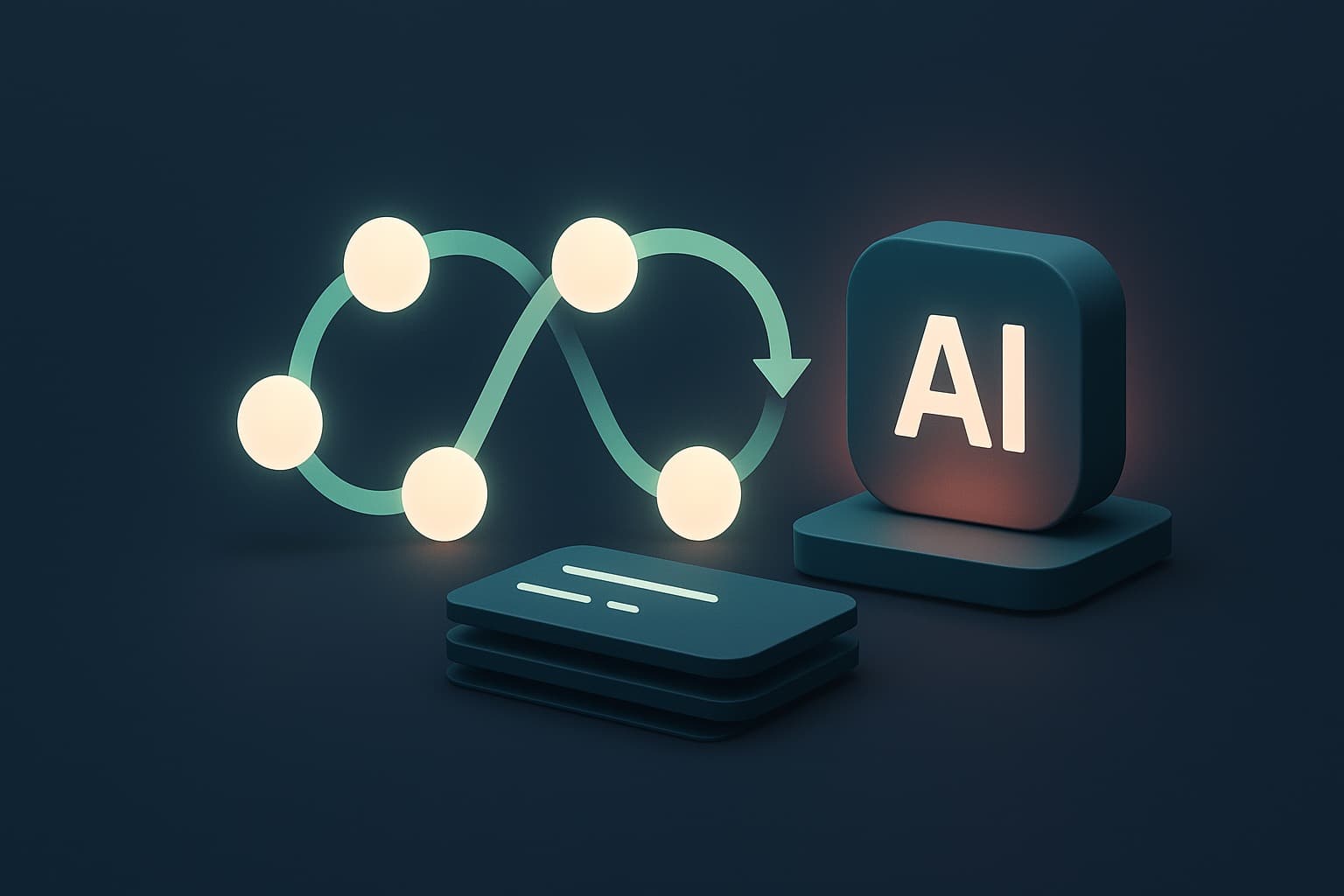
There is a real difference between bolting AI onto your process and rebuilding the process around it, and that gap is widening fast.
Most teams now use AI to write software in some form. Far fewer have changed how they work because of it. There is a meaningful difference between bolting AI onto your existing process and rebuilding the process around it, and that difference is starting to separate the teams that ship quickly from the ones that merely type faster.
The shorthand we use is AI-assisted versus AI-native. They sound similar. In practice they describe two quite different ways of building software, and the gap between them is widening month by month.
What AI-assisted really means
AI-assisted is where most teams are today. The developer is still doing the work in the old shape, line by line, but with a very capable helper: autocomplete that finishes the line, a chat window for explaining an error or drafting a function, a quick way to write a test or a comment. It is a real productivity gain, and it is genuinely useful.
But the workflow has not changed. AI is a faster pen. The human still drives every step in the same order they always did, and the tooling sits to one side, helping when it is asked. The shape of the work is much the same as it was five years ago, just quicker.
What AI-native looks like
AI-native is a different posture. Instead of helping with individual lines, agents take on whole chunks of the software lifecycle: planning a change, building it across several files, writing and running the tests, reviewing the result, and helping ship it. The developer is no longer the one typing most of the code. They are directing the work, setting the goals, the constraints and the standards, and judging what comes back.
The order of the day changes with it. Rather than write, run, debug, repeat, the work becomes describe, review, correct, approve. It is closer to leading a small, fast team than to operating a clever text editor, and it asks for a different set of skills.
None of this means the human matters less. If anything, the leverage of each decision goes up, because a single instruction can now shape a great deal of code very quickly. The skill becomes giving clear direction and exercising good judgement at speed, rather than carefully producing each line by hand.
The numbers behind the shift
This is not a prediction looking for evidence. In files where AI is active, roughly 46% of the code is now AI-generated. Close to half of the code being written in those files is no longer typed by a person directly, which is a profound change in just a few years.
The direction of travel is just as striking. Gartner expects that by the end of 2026, around 75% of developers will spend more of their time orchestrating and architecting than writing code by hand. The job is moving up a level, from producing code to directing its production.
The role shifts to orchestration and architecture
If agents handle more of the typing, the human's value moves to the things agents are weakest at: deciding what to build and why, designing an architecture that stays coherent as it grows, setting the standards, and catching the subtle problems a confident model will sail straight past. Orchestration and architecture become the core of the job rather than the parts you fit around coding.
- Framing the problem clearly enough that an agent can act on it well.
- Designing systems that stay coherent as more of the code is generated.
- Reviewing AI output with a sceptical, senior eye.
- Owning the standards, security and architecture that AI will not own for you.
This is genuinely good news for experienced engineers. The parts of the job that were always the most valuable, understanding the problem, shaping the system, and weighing the trade-offs, are precisely the parts that are becoming central. The tedious typing recedes, and the thinking moves to the foreground where it belongs.
Why bolting AI on is not enough
The temptation is to hand developers AI tools and expect AI-native results. It rarely happens. Without changing how work is planned, reviewed and held to a standard, you get faster production of the same old patterns, and sometimes faster production of mistakes. Becoming AI-native is as much about process and judgement as it is about tools: how you scope work, how you review it, and how you keep quality high when the volume of code goes up.
The teams that struggle most are often the ones that added powerful tools to a process that was already shaky. AI amplifies whatever it is given: clear standards and good review get faster, and so do muddled requirements and weak review. Fixing the process first is what lets the tools pay off, rather than simply speeding up the mess.
How to start the shift
You do not flip a switch to become AI-native. You move one part of the lifecycle at a time: let agents take on the tests, then the first draft of a feature, then parts of review, keeping a human firmly in charge of standards and architecture throughout. The teams that do this deliberately, rather than hoping it happens on its own, are the ones pulling ahead.
It also helps to invest early in the things that make agents effective: clear specifications, a solid test suite, and explicit standards an agent can follow. Those foundations were always worth having; in an AI-native team, they become the levers that decide how much you can safely hand over and how fast you can move.
Rebuilding how a team ships software is a senior change, not just a tooling upgrade, and it pays to have someone who has done it before guiding the move. Whether through hands-on engineering or fractional technical leadership, helping teams make that shift well is a core part of what we do.
Relevant services