Automation
Automating the Boring Stuff: A Field Guide to AI Pipelines & Workflows
By Niall · 7 min read

The biggest AI wins are often the least glamorous: automating the repetitive work nobody wants to do.
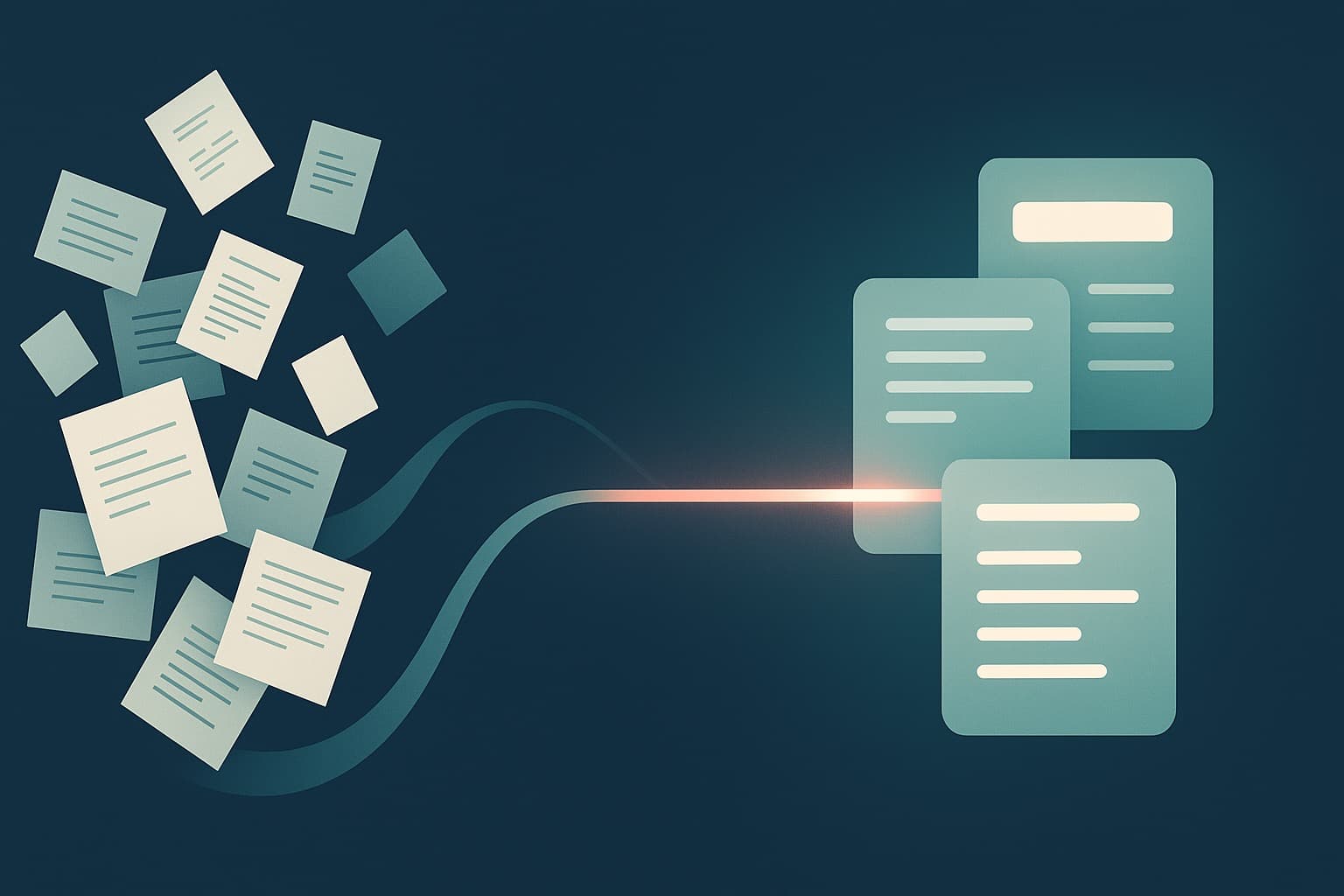
The flashiest AI projects get the headlines, but the ones that pay for themselves fastest are usually the least glamorous: automating the repetitive, rule-heavy work that quietly eats hours every week.
Spotting what to automate
Look for high-volume tasks with clear inputs and outputs: processing documents, extracting data, routing requests, generating routine reports. If a person does it the same way dozens of times a week, it's a candidate.
The map, automate, measure pattern
- Map the workflow exactly as it happens today, including the messy edge cases.
- Automate the highest-value steps first, you rarely need to automate everything.
- Measure the time and error reduction so the ROI is undeniable.
Reliability is the hard part
A pipeline that works in a demo but silently fails in production is a liability. Real automation needs monitoring, alerting and graceful error handling so that when an input breaks the rules, someone knows immediately instead of discovering it weeks later.
Where it pays off
Done right, workflow automation hands hours back to your team every week, reduces errors from manual handling, and lets you scale volume without scaling headcount. An Automation Audit is the quickest way to find your first targets.
Relevant services